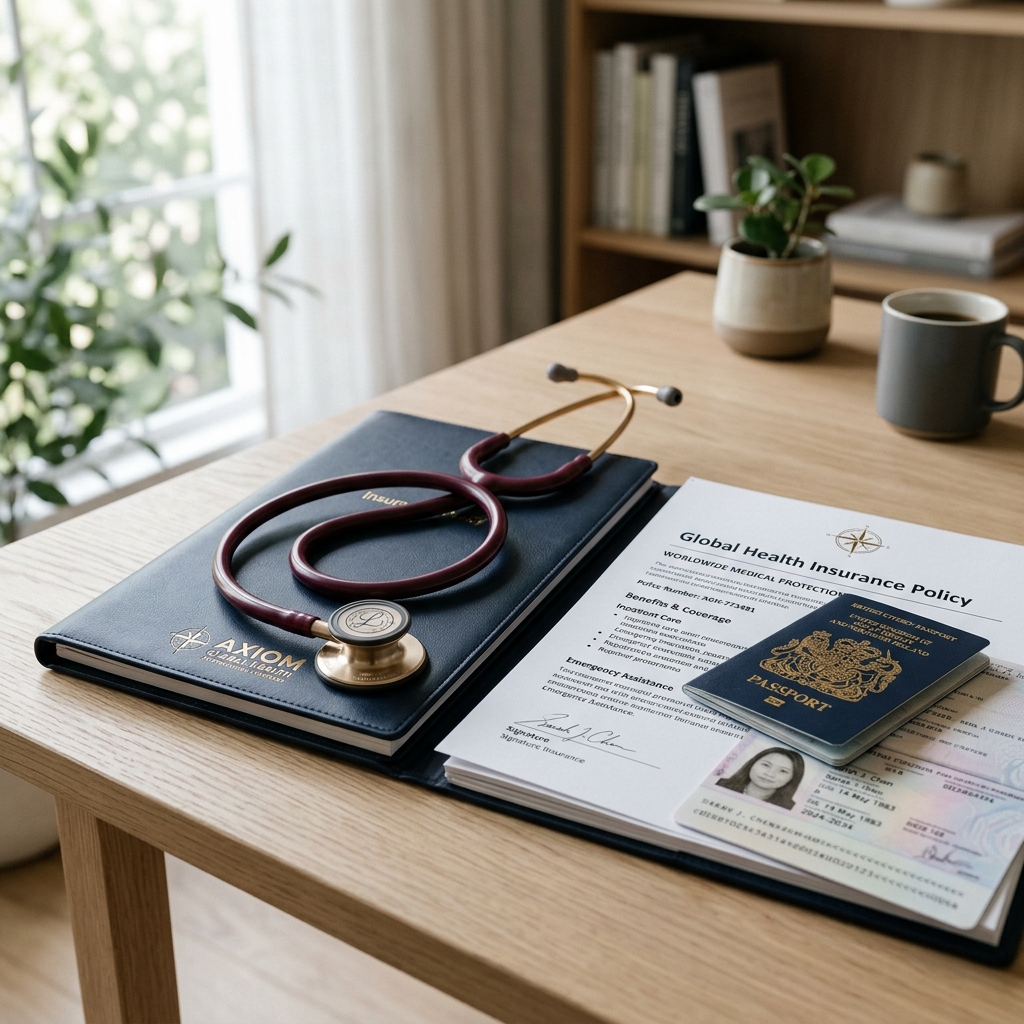
Over one million Canadian retirees, digital nomads, and dual-citizens spend extended periods in the United States annually. However, a widespread misconception persists regarding the adequacy of Canadian provincial health insurance plans (such as OHIP in Ontario or MSP in British Columbia) when seeking medical care south of the border.
In reality, provincial statutory health plans reimburse out-of-country emergency medical costs at domestic Canadian rates—often covering under 5% of actual US hospital billing schedules. An overnight admission to a US emergency room or specialized cardiovascular intervention in Florida or Arizona can rapidly exceed $150,000 to $300,000 USD in out-of-pocket liabilities without dedicated private cross-border health insurance.
Under 2026 underwriting guidelines, cross-border health plans bifurcate into two principal categories: Emergency Travel Medical Insurance (designed for trips under 182 days per calendar year) and Comprehensive Expatriate Major Medical Insurance (for individuals establishing primary non-resident US physical presence).
Actuarial scrutiny highlights the critical importance of the 'Pre-Existing Condition Stability Clause'. Canadian underwriters generally enforce a mandatory 90-day to 180-day stability window prior to departure, during which any medication adjustment, diagnostic investigation, or symptomatic recurrence invalidates coverage for related medical emergencies.
For cross-border professionals maintaining active dual-residency status, specialized ACA-compliant international major medical policies provide seamless coverage across all US states and Canadian provinces, featuring direct billing networks with major healthcare networks including Mayo Clinic and Johns Hopkins.